

The Hindu Swastika: An Ancient Symbol of Good Fortune
The swastika is one of the oldest symbols in Hinduism — meaning good luck, prosperity, and well-being. Learn its true meaning, explained for kids.
Featured Book
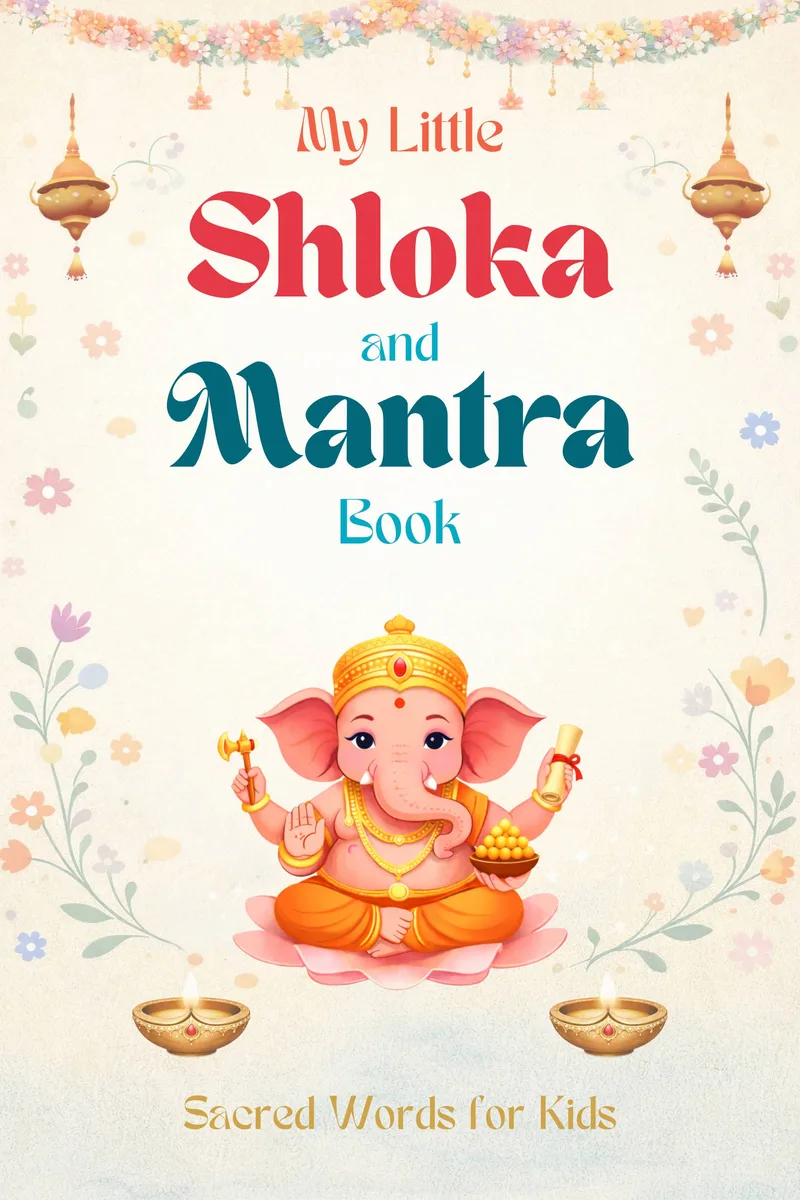
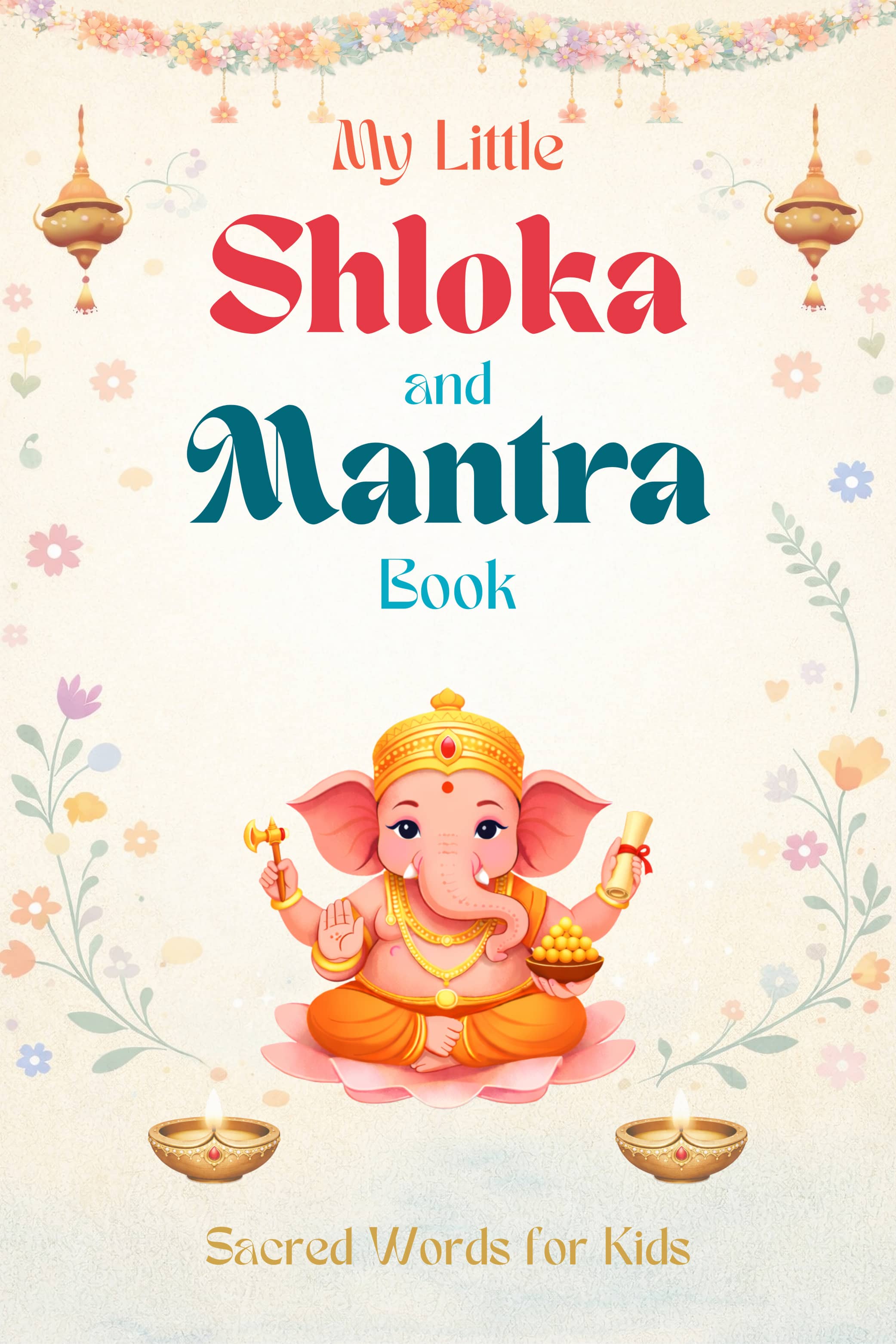
My Little Shloka and Mantra Book
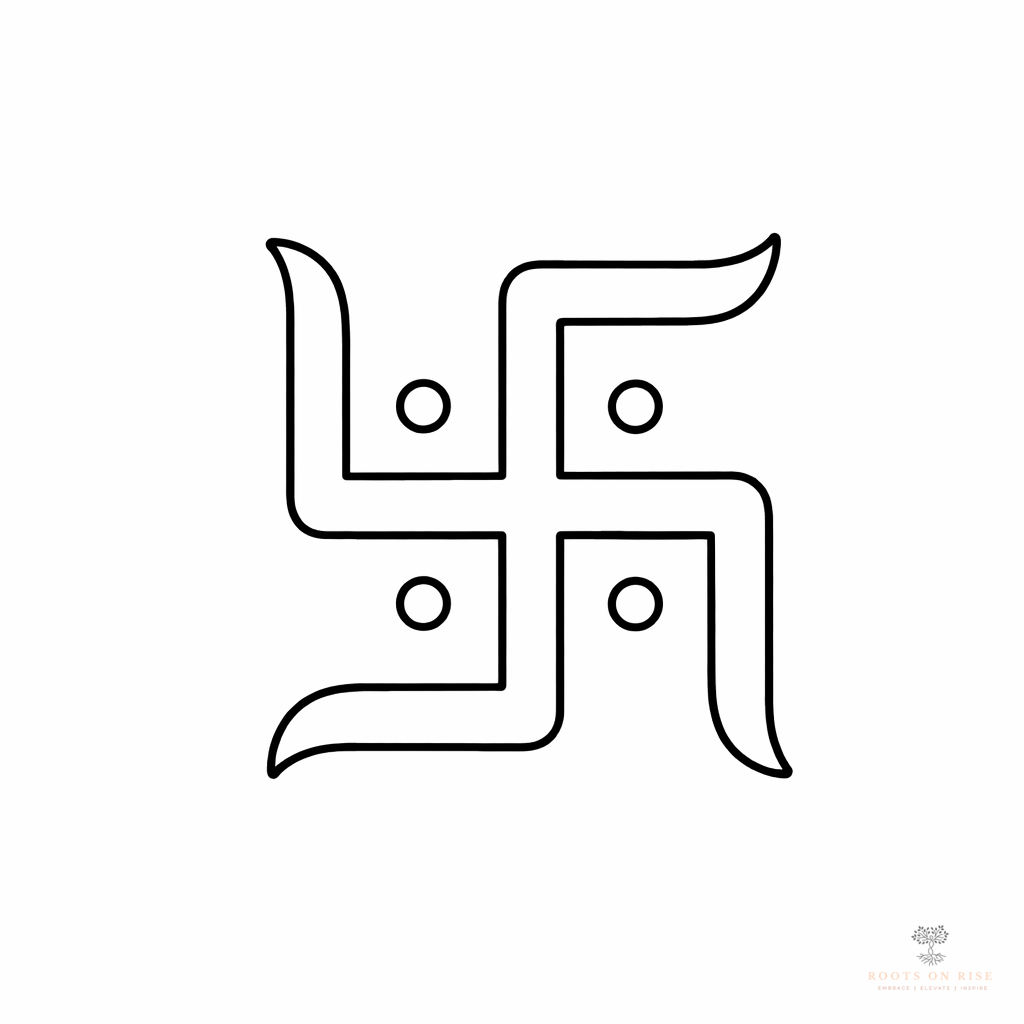
Have you ever noticed a symbol that looks like a cross with bent arms at a Hindu temple, a wedding, or during a puja ceremony? That’s the Swastika — and it’s one of the oldest and most sacred symbols in Hinduism!
What Does the Swastika Mean?
The word “Swastika” comes from the Sanskrit word “Svastika”, which means “that which is good” or “well-being.” It’s made of two parts:
- Su — good, well
- Asti — it is, to be
So when Hindus draw a swastika, they’re wishing for goodness, prosperity, and good fortune. It’s like writing a blessing!
A Symbol That’s Thousands of Years Old
The Hindu swastika is incredibly ancient — it has been used for over 5,000 years, making it one of the oldest symbols still used today. It appears in:
- Ancient temples carved in stone
- Sacred scriptures written on palm leaves
- Pottery and art from the Indus Valley civilization
Long before anyone misused this symbol, it was a sign of peace, good luck, and the sun’s energy. Hindu families have passed down this tradition for hundreds of generations.
What Do the Arms Mean?
The four arms of the swastika point in four directions, and each has a meaning:
- North — Prosperity and wealth
- East — New beginnings and sunrise
- South — Success and achievement
- West — Fulfillment and completion
Together, the four arms represent the cycle of life and the universe spinning in harmony. Some also say they represent the four Vedas — the oldest Hindu sacred texts.
Where You’ll See the Swastika
Hindu families use the swastika everywhere good fortune is needed:
- Doorways — Drawn at the entrance of homes to invite blessings
- Weddings — Painted on decorations and invitation cards
- Puja ceremonies — Drawn on the floor or altar before prayers
- New beginnings — When starting a business, moving to a new house, or buying something important
- Diwali — Often drawn alongside rangoli patterns and diyas
- Account books — Merchants draw it on the first page of new ledgers for good luck
The Swastika and Lord Ganesha
The swastika is closely connected to Lord Ganesha, the remover of obstacles. You’ll often see the swastika drawn alongside Ganesha’s image at the start of any new venture. Both represent clearing the path for success and good fortune.
Fun Facts
- The swastika appears in many ancient cultures around the world — from Greece to China to Native American traditions
- In Hinduism, both clockwise and counterclockwise versions are used, with slightly different meanings
- The red or orange swastika is most common — red being the color of auspiciousness in Hindu tradition
See Hindu Symbols in Our Books
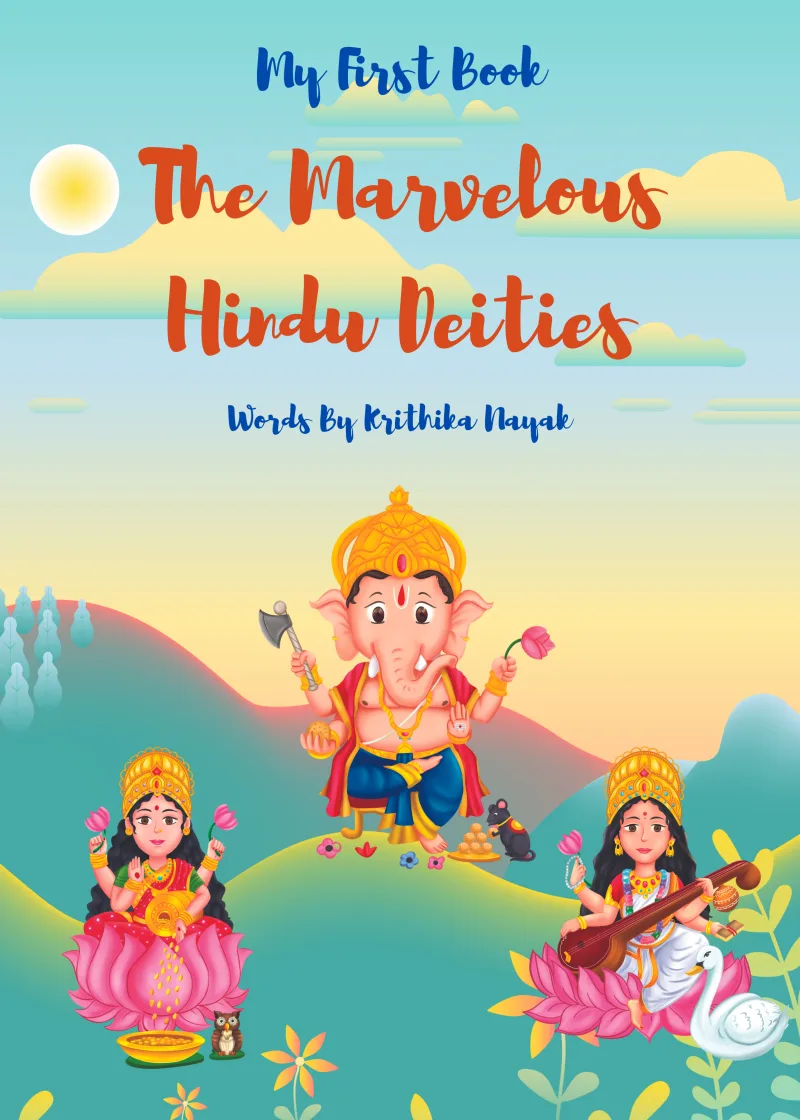
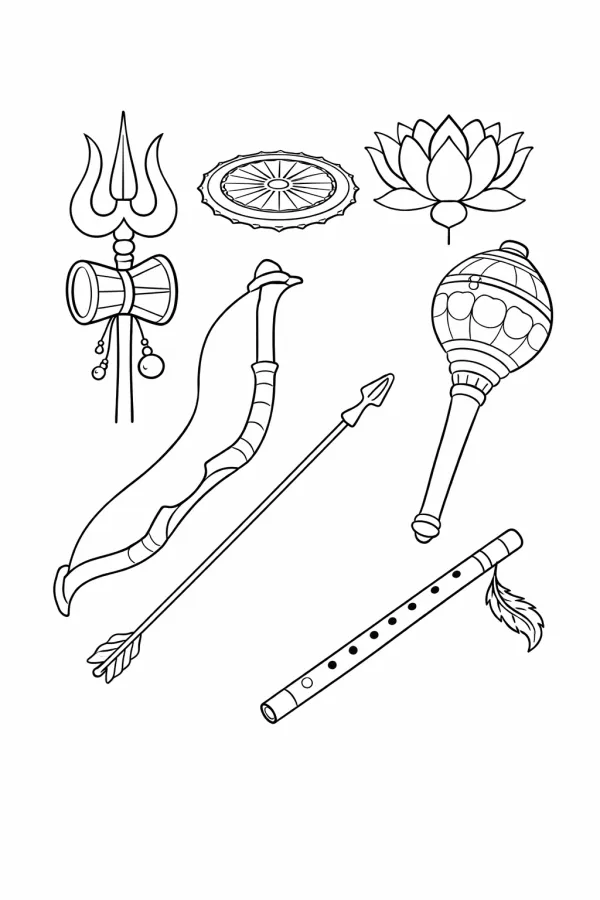
The Marvelous Hindu Deities introduces children to the beautiful world of Hindu art and symbolism, featuring deities adorned with sacred symbols. And My Little Shloka and Mantra Book teaches the mantras that families recite during the ceremonies where the swastika appears.
Free Swastika Coloring Sheet
Color this ancient symbol of good fortune!
See all 14 free coloring sheets →