
Sacred Temples of India: Where the Gods Live
Discover the most amazing Hindu temples — from snow-capped Kedarnath to holy Mount Kailash. Kid-friendly guide to India's sacred places.
Featured Book
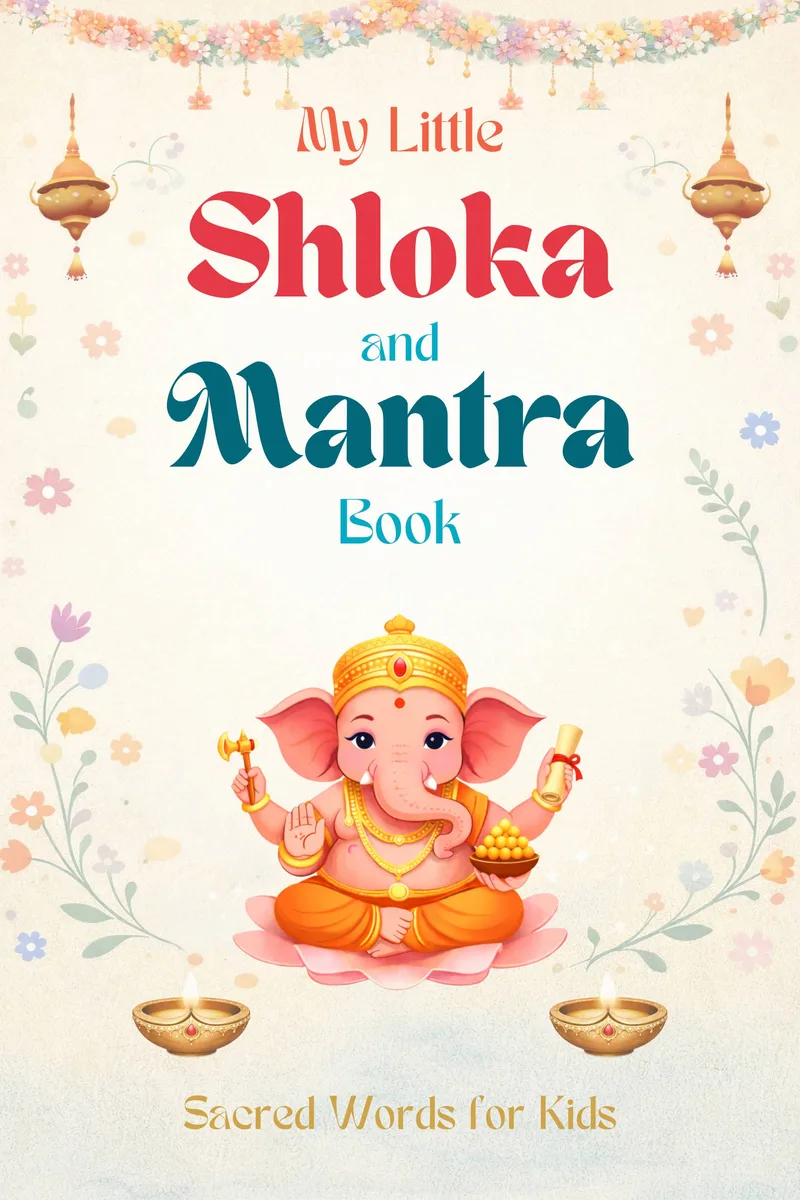
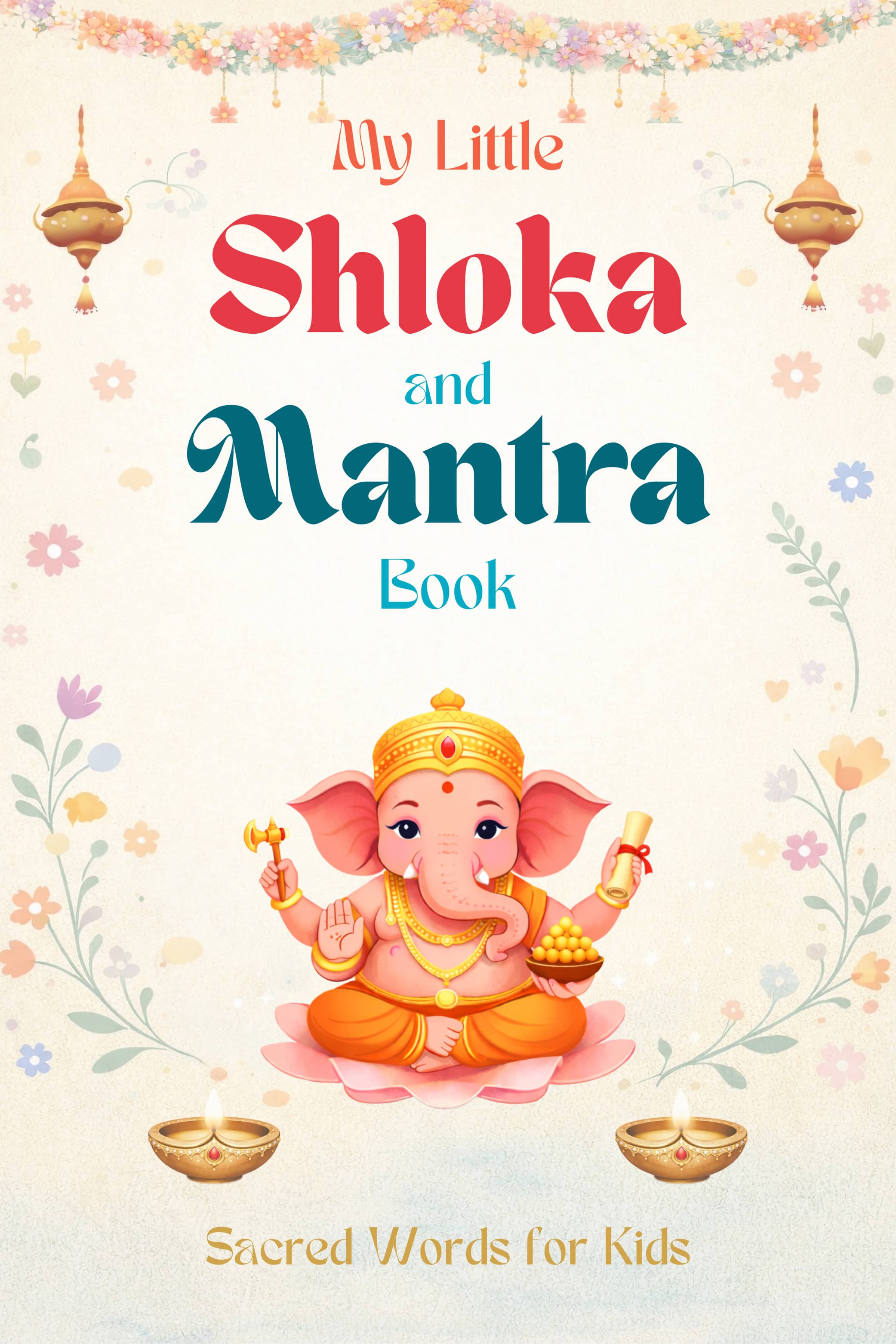
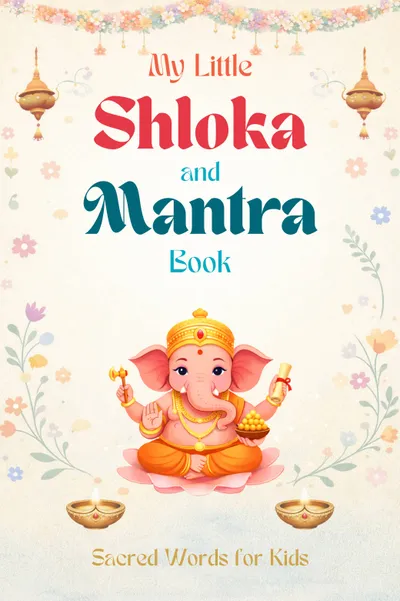
My Little Shloka and Mantra Book
What if there were buildings so beautiful and so sacred that people travel thousands of miles just to visit them? Hindu temples are exactly that — incredible places where families go to pray, celebrate, and feel close to the gods.
What Is a Hindu Temple?
A Hindu temple (called a mandir) is a special place built as a home for the gods on Earth. Hindus believe that when a temple is built with love and devotion, the deity actually comes to live there!
Every temple has a central room called the garbhagriha (which means “womb chamber”) where the main deity’s image is kept. This is the holiest part of the temple.
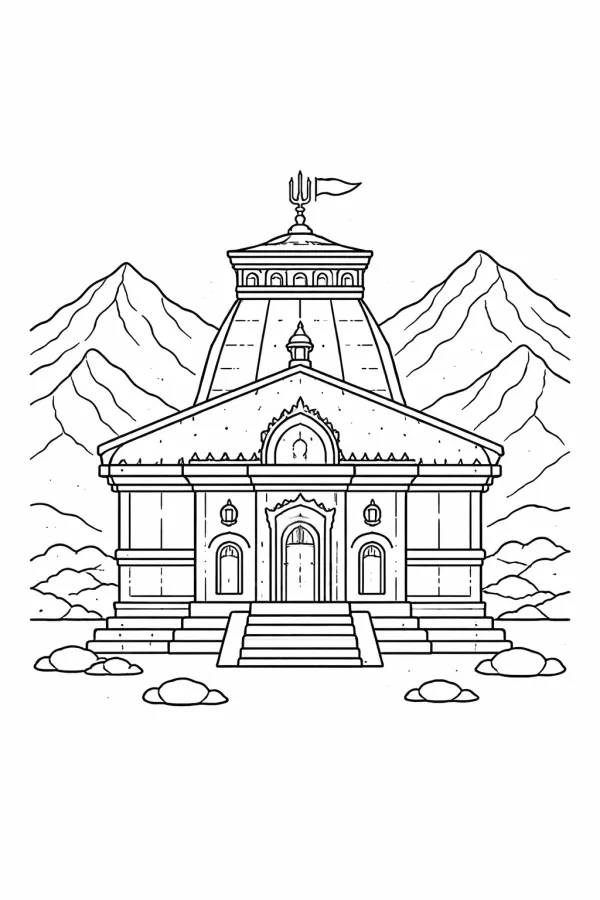
Kedarnath: The Temple in the Clouds
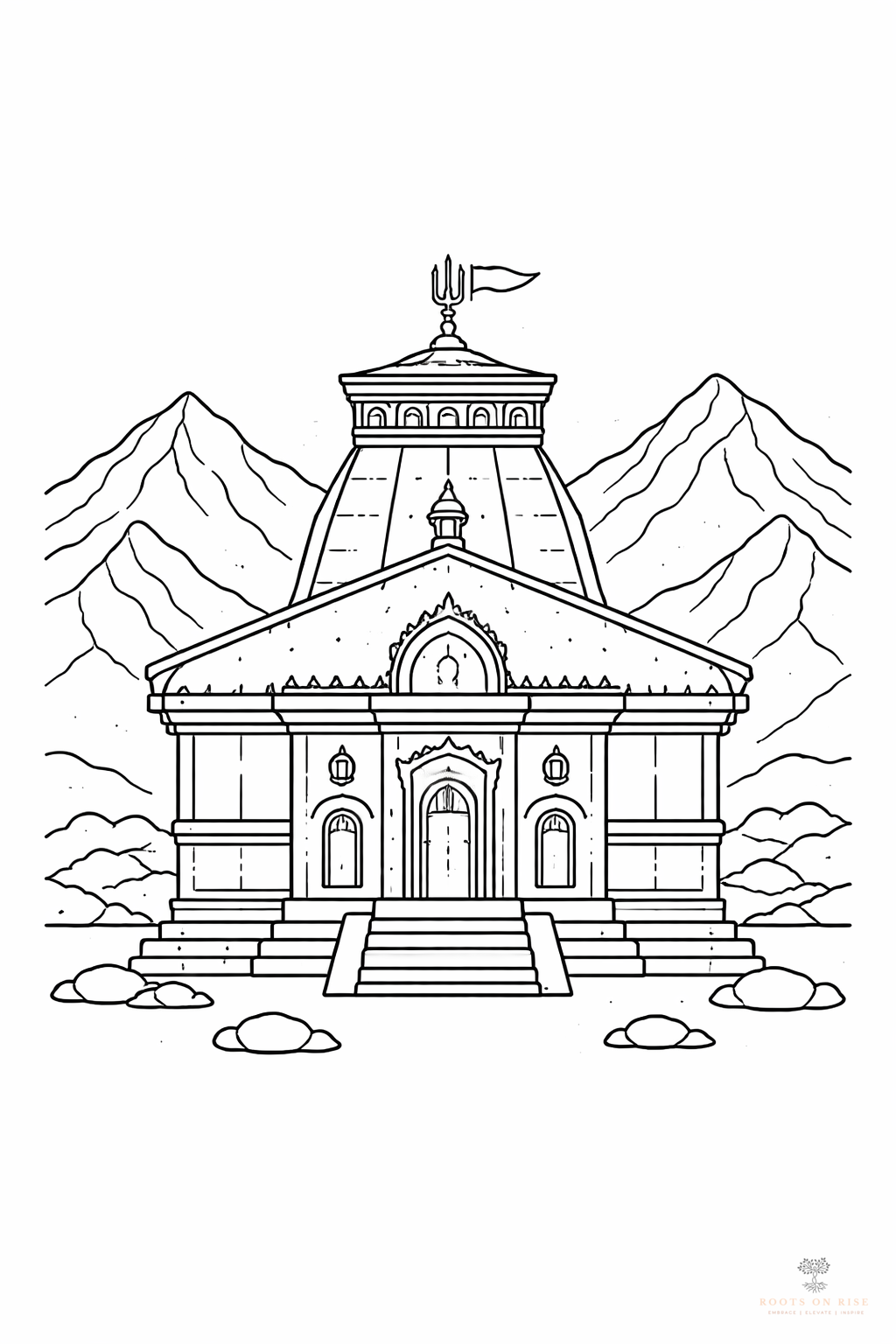
High up in the Himalayan mountains, surrounded by snow-capped peaks and glaciers, sits Kedarnath Temple — one of the most sacred Shiva temples in all of India.
What makes Kedarnath incredible:
- It’s at 11,755 feet above sea level — that’s higher than most clouds!
- It’s over 1,000 years old, built from massive gray stone blocks
- You can only reach it by trekking 16 kilometers through mountain trails — no roads go there
- It’s open only six months a year because snow buries it in winter
- In 2013, a devastating flood destroyed everything around it, but the temple survived — protected by a giant boulder that diverted the water
People say Lord Shiva himself protects this temple. Looking at its story, it’s hard to disagree!
Mount Kailash: Shiva’s Heavenly Home
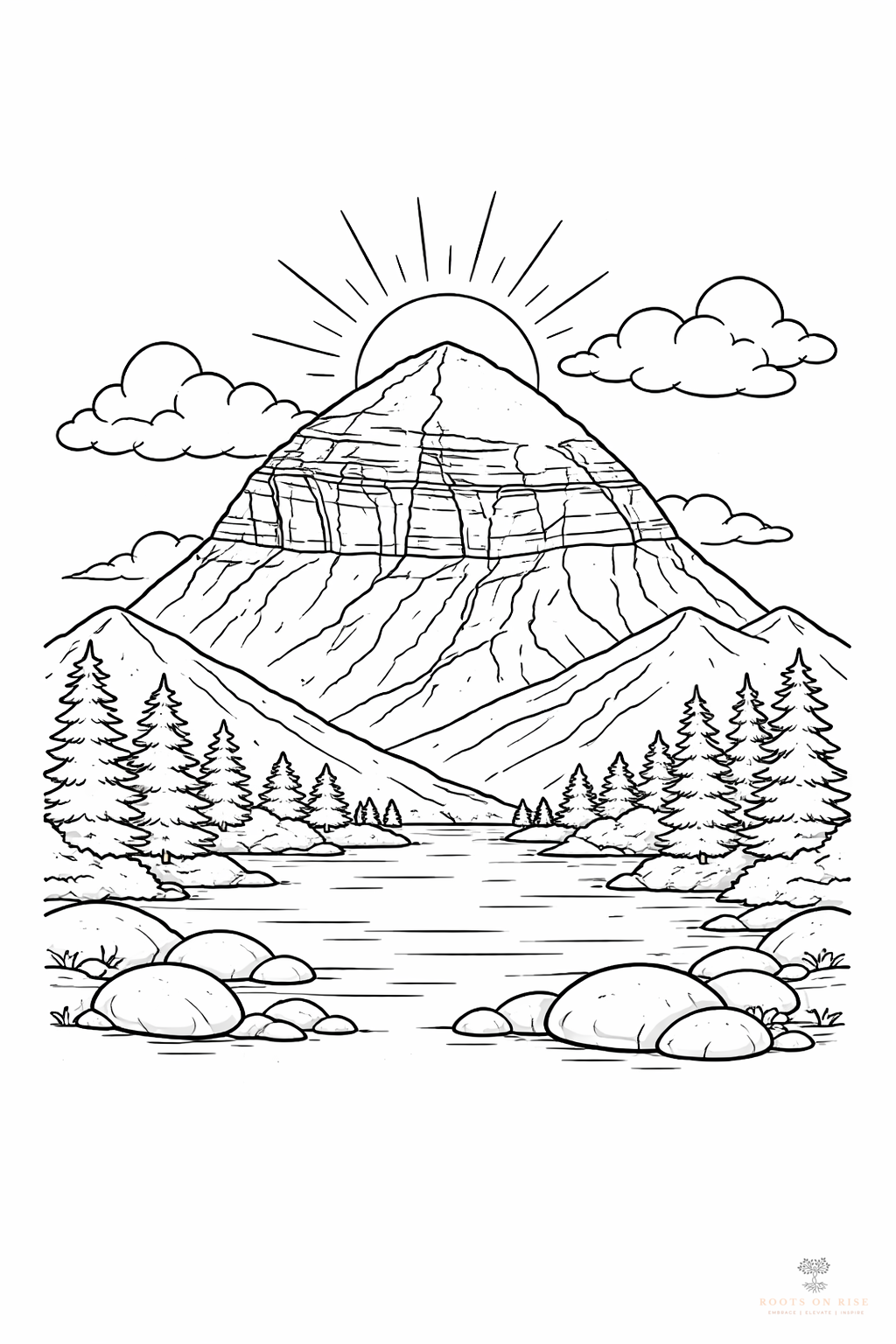
Mount Kailash isn’t just any mountain — Hindus believe it’s the place where Lord Shiva sits in meditation with Goddess Parvati. It’s considered the most sacred mountain in the world.
Amazing facts about Kailash:
- It’s 21,778 feet tall, in a remote corner of Tibet
- No one has ever climbed to the top — out of respect, climbing is not allowed
- Its shape is almost perfectly symmetrical, like a giant pyramid
- Four major rivers of Asia begin near Kailash
- Hindus, Buddhists, and Jains all consider it sacred
Instead of climbing, devotees walk around the base of Mount Kailash — a journey called parikrama that takes about three days on foot. They believe this journey washes away a lifetime of wrongdoing.
The Shiva Linga: Shiva’s Sacred Symbol
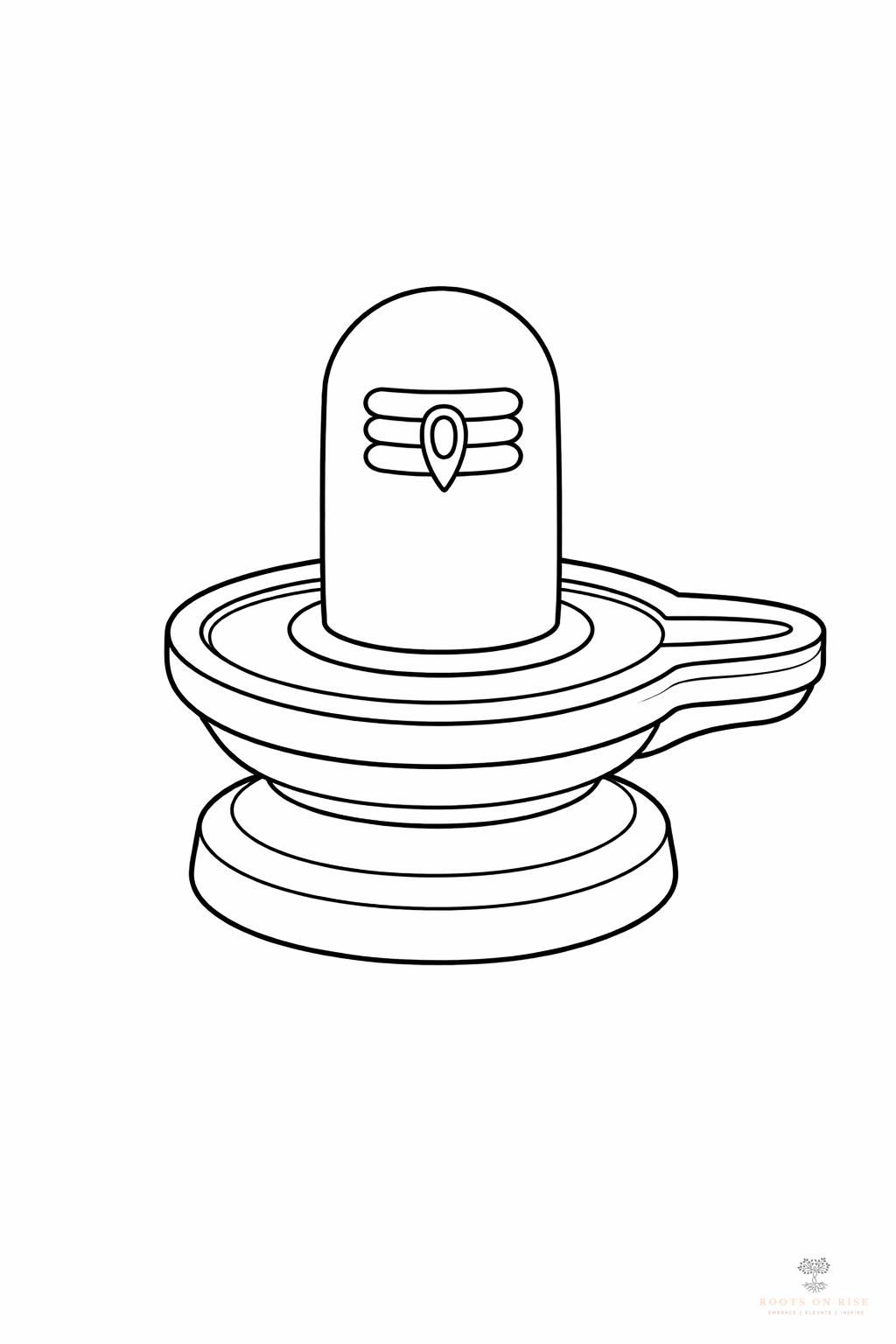
In almost every Shiva temple, you’ll find a Shiva Linga — a smooth, rounded stone that represents Lord Shiva’s cosmic energy. It’s one of the most important symbols in Hinduism.
The Shiva Linga represents:
- Creation — the cosmic pillar from which the universe emerged
- Shiva’s infinite nature — unlike an idol with a specific shape, the linga represents Shiva beyond form
- Unity — the linga sits on a base called the yoni, together representing the balance of all creation
Devotees pour milk, water, and honey over the Shiva Linga as an offering. There are twelve especially sacred lingas across India called Jyotirlingas — and Kedarnath is one of them!
Visiting a Temple
When you visit a Hindu temple, here’s what you might see:
- Remove your shoes — Temples are sacred ground
- Ring the bell — The sound announces your arrival to the deity
- Walk clockwise — Always keep the deity to your right
- Receive prasad — Blessed food shared with visitors
- Join the aarti — The evening ceremony with lamps and singing
What Temples Teach Us
- Devotion — People trek through mountains and cross rivers to reach sacred places
- Respect for nature — Many temples are built in harmony with mountains, rivers, and forests
- Community — Temples bring families and communities together
- Perseverance — Like the trek to Kedarnath, good things often require effort
See Sacred Places in Our Books
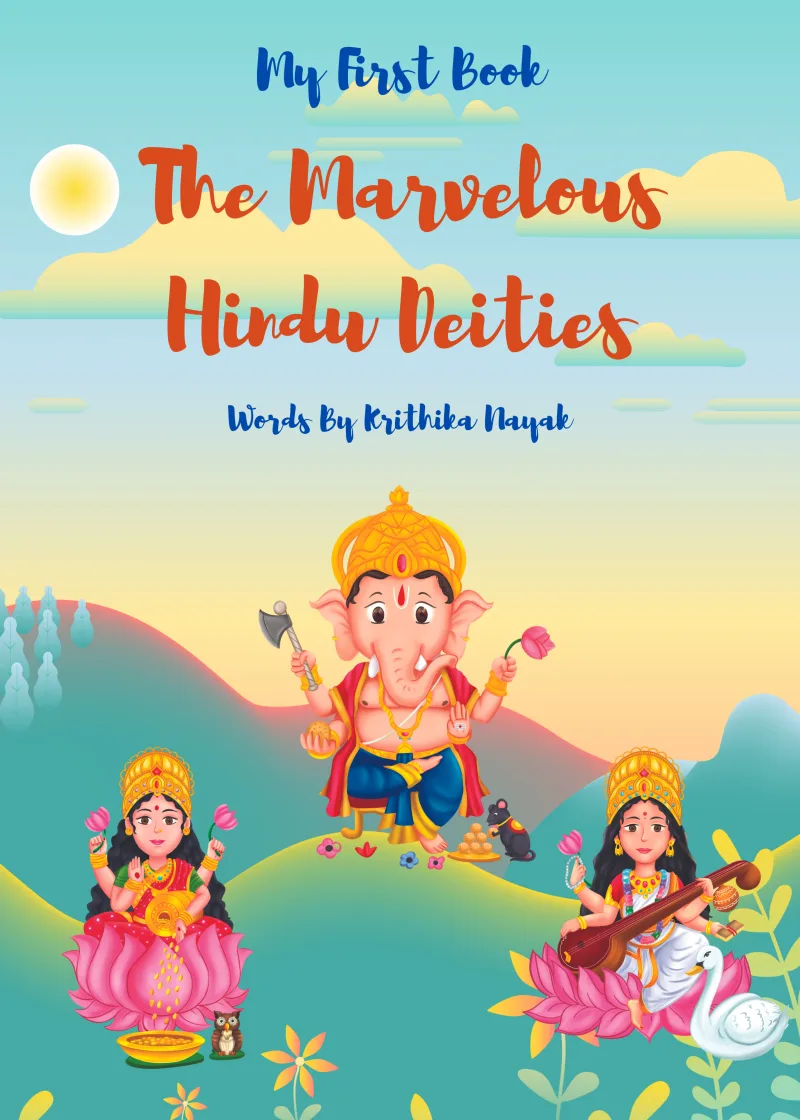
The Marvelous Hindu Deities features Lord Shiva in his cosmic form — the very deity worshipped at Kedarnath and Kailash. And My Little Shloka and Mantra Book teaches the Om Namah Shivaya mantra that echoes through every Shiva temple.
Free Temple Coloring Sheets
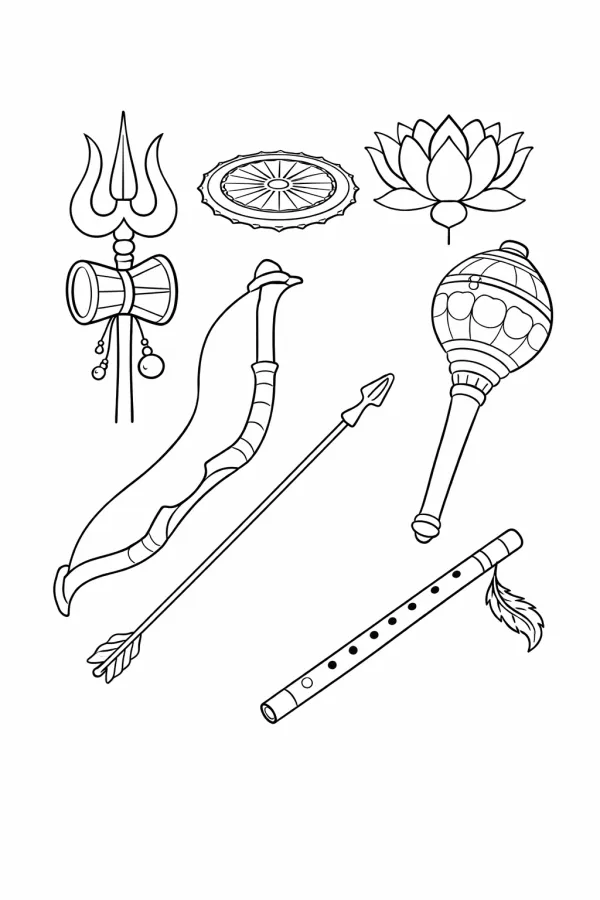
Color these sacred places and symbols of Lord Shiva!
See all 14 free coloring sheets →